

Felting
Sort and filter
Sort and filter
Getting Started with Needle Felting
Needle felting turns loose wool into shapes by stabbing it with a barbed needle until the fibres lock together. It suits small animals, ornaments and simple decorations, and you can begin with very little.
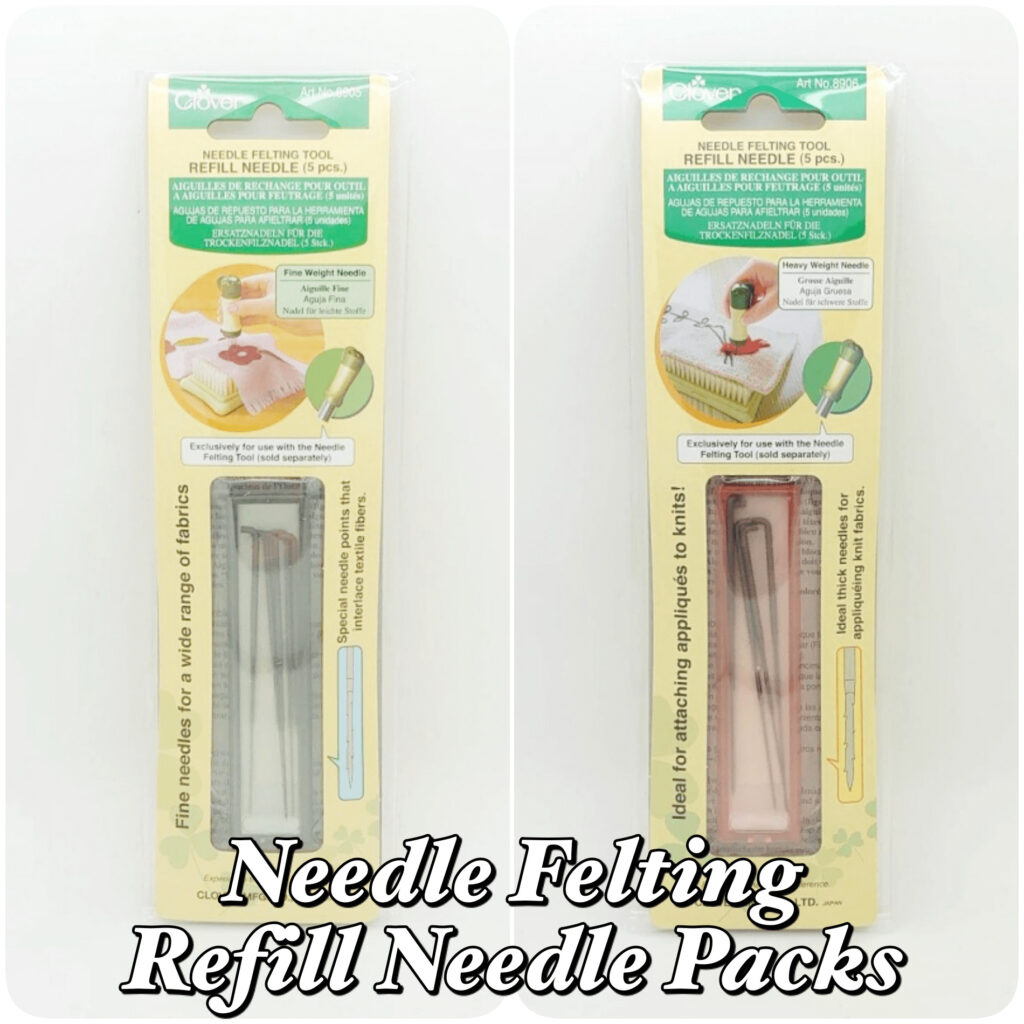
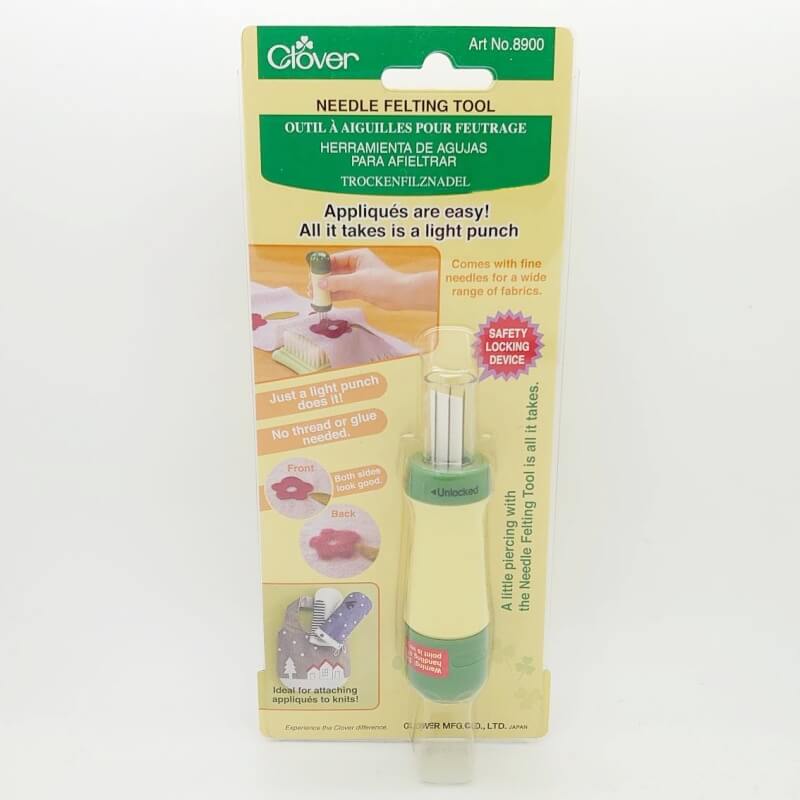
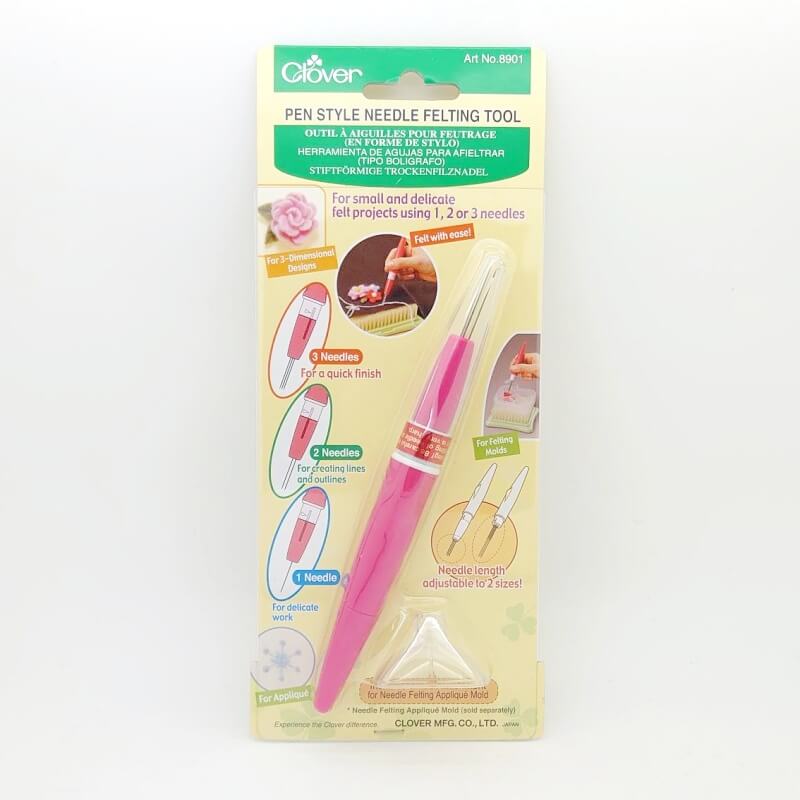
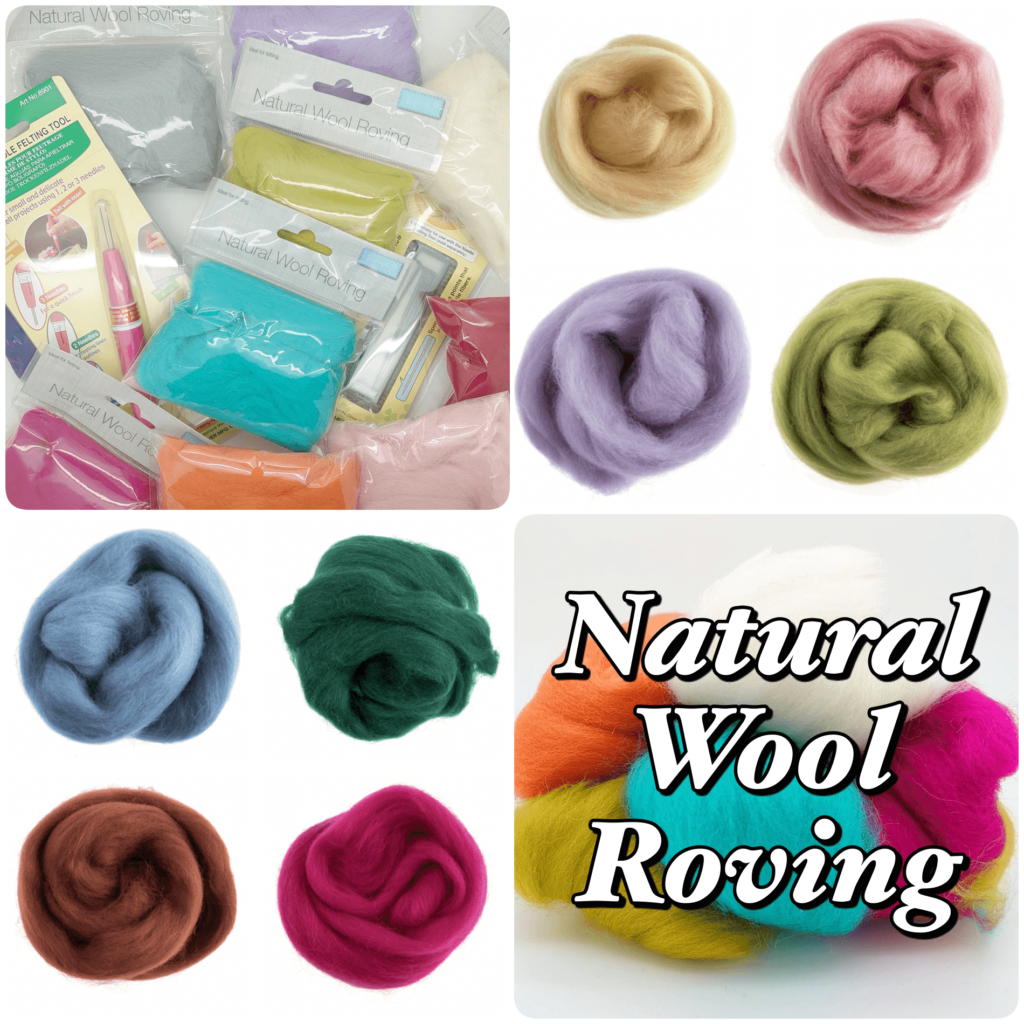
Natural wool roving is the usual starting point. Fluff or roll a small piece, then stab it on a thick foam pad until it holds its shape, building up colour layer by layer. Choose the needle felting tool for speed or the pen style tool, which holds the needle like a pen, and keep refill needles to hand because fine felting needles can snap.
Finish characters with safety eyes and noses from Toy Making, add sewn details with Felt Squares and Fabrics, and find step by step projects in our felt and felting books and patterns. For sewing on small pieces, see Pins and Needles.
Needle Felting FAQs
What do I need to start needle felting?
You need wool roving, a felting needle or tool, and a thick foam block or felting mat to work on. A felting needle has tiny barbs that point in one direction, so each stab pulls fibres in but not out and locks them together, and a dense pad protects the needle from breaking, as My Modern Met’s needle felting guide explains, while Skillshare’s beginner guide suggests a pad at least two inches thick. Start with the Needle Felting Tool or Pen Style Needle Felting Tool, add a few 10g bags of Natural Wool Roving in your colours, and keep a pack of Refill Needles to hand at The Cheap Shop.
Can I needle felt with knitting wool or yarn?
Wool roving is the better choice, because the wool used for needle felting is not the same as the spun yarn used for knitting and crochet. Skillshare’s guide explains that needle felting uses carded wool, with cheaper core wool recommended for beginners practising, and our Yarns are best kept for projects you will knit or crochet. Shop Natural Wool Roving in 10g bags and a wide range of colours at The Cheap Shop.
How do I stop felting needles breaking?
Stab straight in and straight out, never bend or twist the needle, and do not force it into dense wool. A thick pad helps, as My Modern Met notes, and if a needle will not go in easily, switch to a finer, higher gauge needle, which is worth knowing because Skillshare says most beginner kits come with 38 gauge needles. Keep a pack of Needle Felting Refill Needles from The Cheap Shop so a snapped needle never stops a project.
Is needle felting safe for children?
Felting needles are very sharp, so needle felting suits adults and older teens, and younger children should only try it under close supervision. Dharma Trading’s felting safety tips say the biggest risk is poking yourself, advise keeping your free hand well away and covering needle tools when not in use, and note that a pen style tool helps keep fingers clear. Our Pen Style Needle Felting Tool is at The Cheap Shop, and store tools and refill needles well out of children’s reach.